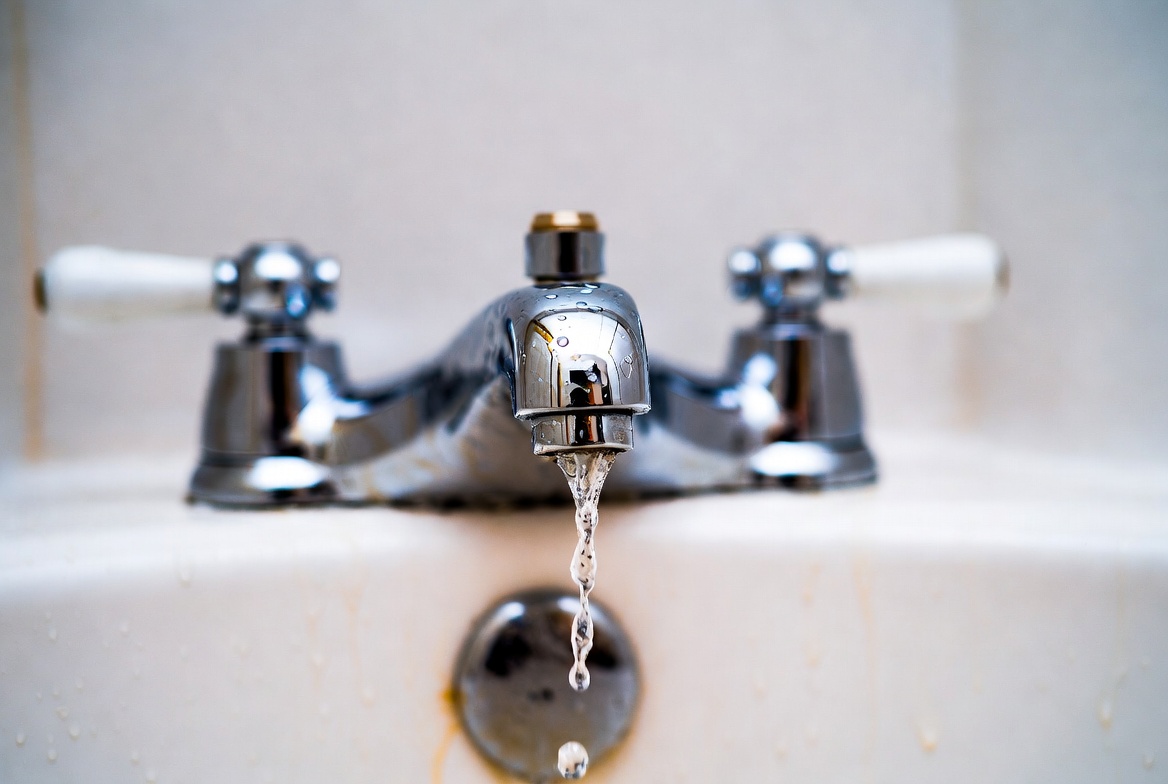
That slow, rhythmic drip from your bathtub faucet might seem like a minor annoyance, but it’s costing you money and wasting thousands of gallons of water every year. A single dripping tub faucet can waste over 3,000 gallons annually—enough to fill an Olympic swimming pool. The good news? Most dripping tub faucets are fixable in under an hour with basic tools and a $15–$50 cartridge replacement, and you don’t need to call a plumber.
The culprit behind most drips is surprisingly simple: a worn-out cartridge. Over time, mineral deposits from hard water or mechanical wear cause the internal seals to fail, and water begins to seep past the valve. In many cases, you can even clean your existing cartridge with white vinegar before resorting to replacement. This article walks you through everything you need to know—from diagnosing the problem to deciding whether a DIY fix or professional repair makes sense for your situation.
Whether you’re motivated by environmental responsibility or tired of watching your water bill climb, fixing a dripping tub faucet is one of the most straightforward plumbing repairs a homeowner can tackle. Let’s get your faucet back in working order.
What Is a Dripping Tub Faucet and How to Fix It
A dripping bathtub faucet is a leak that occurs when water continues to flow or drip from the spout even when the handle is completely turned off. Unlike a steady stream, the water emerges drop by drop—usually from the tub spout itself—indicating that the internal valve isn’t sealing completely.
The quick answer: Most dripping tub faucets are caused by a worn cartridge (the internal valve that controls water flow). You can fix it by either cleaning the cartridge with white vinegar or replacing it entirely. Both approaches are DIY-friendly and cost $10–$50 in parts. The entire job typically takes 30–60 minutes.
The fix depends on your faucet type and the root cause. If your faucet has a replaceable cartridge—which most modern bathrooms do—you’re in luck. If mineral deposits have clogged the cartridge, a vinegar soak might revive it without replacement. If the cartridge is genuinely worn out or corroded, replacement is the best (and only) solution.
Why It Matters: The Real Cost of a Dripping Faucet
Before diving into the repair, it’s worth understanding the impact of that seemingly small leak.
Water waste adds up fast. The U.S. Environmental Protection Agency estimates that a single dripping faucet can waste 3,000 gallons of water per year. That’s equivalent to 180 showers or nearly 11 days’ worth of household water consumption. In drought-prone regions, this waste carries both financial and environmental weight.
Your water bill feels the impact. The average U.S. household water rate is approximately $40–$50 per 1,000 gallons. A dripping faucet over 12 months could add $120–$150 to your annual bill. Over five years, that’s $600–$750 in wasted water charges—money that could have paid for dozens of cartridge replacements.
DIY repair saves dramatically compared to hiring help. Most homeowners can replace a faucet cartridge for $15–$50 in parts. Calling a plumber for the same job costs $150–$300 in labor alone, plus the cartridge. A full faucet replacement runs $300–$800+ when professionally installed. Doing it yourself eliminates labor costs entirely.
Speed matters. Every day your faucet drips, you’re losing 8+ gallons of water. Fixing it immediately—whether through a 15-minute vinegar soak or a 45-minute cartridge swap—stops the waste today, not next week when a plumber’s schedule opens up.
Step-by-Step: How to Fix a Dripping Tub Faucet
Identify Your Faucet Type First
Before you start, you need to know what type of faucet you have. The three main types have different repair approaches:
Cartridge faucets (most common) have a single handle that moves up/down and left/right. The cartridge is a removable cylinder that controls the water mix and flow. This is the easiest type to repair yourself.
Ball-type faucets have a rounded, dome-shaped cap under the handle (common in kitchen sinks, less common in tubs). The ball mechanism controls water flow instead of a cartridge.
Disk-type faucets have a wide, flat cylindrical cartridge (rarely found in bathtubs but occasionally present in modern fixtures).
To identify your faucet: Remove the handle by unscrewing or prying off the cap. Look at what’s underneath. If you see a cartridge that looks like a cylinder with a flat top, you have a cartridge faucet. Check your faucet’s brand name—usually stamped near the spout or base.
Gather Your Tools and Supplies
Before starting, assemble everything you need:
Tools:
- Adjustable wrench or Allen wrench (check your faucet’s handle screw size first)
- Flathead and Phillips screwdriver
- Adjustable spanner or cartridge puller (optional, but helpful for stubborn cartridges)
- Pliers
Supplies:
- White vinegar (for cleaning mineral deposits)
- Small bowl or cup (for soaking)
- Replacement cartridge (model and brand-specific—see section below for finding yours)
- Towels (for water cleanup)
- Plumber’s grease or silicone-based lubricant (for reassembly)
Finding the correct cartridge: This is critical. A cartridge for a Moen faucet won’t work in a Delta faucet. Look for your faucet’s model number (usually on the base or under the spout) and write it down. Call the manufacturer or visit their website to find the exact cartridge part number. Online retailers like Amazon, The Home Depot, and Lowe’s let you filter by brand and model.
The Repair Process: Step by Step
Step 1: Turn Off Your Water Supply Locate your home’s main water shutoff valve (usually in the basement, crawl space, or outside near the street) and turn it clockwise until the water stops flowing. Test the faucet to confirm. If you can’t find it, consider calling a plumber for this step alone—it’s worth the $50 fee to avoid water damage.
Step 2: Remove the Handle Look for a small screw cap or set screw at the base of your handle (often hidden under a decorative cap). Use the appropriate wrench or screwdriver to remove it. Gently pull the handle straight out. Set it aside carefully.
Step 3: Remove the Trim Ring (Escutcheon) Below the handle, you’ll find a decorative metal or plastic ring covering the cartridge. Use a flathead screwdriver to pry it up gently. Don’t force it—wiggle carefully until it comes free. This exposes the cartridge underneath.
Step 4: Inspect and Remove the Cartridge The cartridge is the cylindrical piece protruding from the valve body. Note its orientation (mark it with tape or a photo). Some cartridges have a small set screw; remove it if present. Grab the cartridge firmly with a wrench and pull straight out. It may require firm pressure. If it’s stuck, a cartridge puller tool (under $20) or a pipe wrench can help.
Step 5: Inspect for Mineral Deposits Examine the cartridge closely. If it’s covered in white, chalky deposits (especially common in hard water areas), you can try cleaning it. If it’s visibly corroded, cracked, or disintegrated, replacement is necessary.
Option 1: Clean Your Cartridge with Vinegar
If mineral deposits are the issue, this simple cleaning often works without replacement.
- Fill a bowl with white vinegar and submerge the cartridge completely.
- Let it soak for 4–8 hours (or overnight for heavy deposits). The vinegar dissolves mineral buildup.
- Scrub gently with a soft brush or cloth to remove loose deposits. Don’t use steel wool or harsh scrubbers—you can damage the seals.
- Rinse thoroughly under running water and dry completely.
- Reinsert the cartridge in the original orientation (match your photo or tape mark). Push it in firmly until it seats completely.
- Reassemble the trim ring, handle, and set screw in reverse order.
- Turn the water supply back on and test the faucet.
When this works: If your drip stops immediately after reassembly, the mineral deposits were the culprit. Cost: $0 (vinegar in most homes already).
When this doesn’t work: If the faucet still drips after cleaning, the cartridge seals are genuinely worn and replacement is necessary.
Option 2: Replace the Cartridge
If cleaning didn’t work or the cartridge is visibly damaged, replacement is your next step.
- Purchase the correct replacement cartridge using your faucet’s brand, model number, and the part number you identified earlier. Cost: $15–$50 depending on brand.
- Insert the new cartridge in the same orientation as the original. Push it in firmly until the stem is fully seated (usually about 1 inch of the cartridge stem remains visible).
- If your cartridge has a set screw or cap, reinstall it now and tighten securely.
- Reassemble the trim ring (escutcheon) by pushing it back down until it sits flush against the wall.
- Reattach the handle and screw or cap it in place.
- Turn the water supply back on slowly. Check for leaks around the base or handle. If water drips from the spout even with the handle off, the cartridge may not be fully seated—turn off water and reseat it firmly.
- Test the handle through its full range of motion to confirm it moves smoothly.
Timeline: 30–60 minutes for most homeowners on their first attempt.
Success rate: Cartridge replacement fixes dripping faucets 95%+ of the time.
Cost Breakdown: DIY vs. Professional Repair vs. Full Replacement
Understanding your options helps you make the right financial decision.
| Repair Option | Parts Cost | Labor Cost (if hired) | Total Cost | Timeline | Difficulty |
|---|---|---|---|---|---|
| DIY Vinegar Clean | $0 | N/A | $0 | 15 min + 4-8 hr soak | Very Easy |
| DIY Cartridge Replace | $15–$50 | N/A | $15–$50 | 45–60 min | Easy |
| Plumber: Cartridge Replace | $15–$50 | $150–$250 | $165–$300 | 1–2 days (wait time) | Professional |
| DIY Full Faucet Replace | $100–$400 | N/A | $100–$400 | 2–3 hours | Moderate |
| Plumber: Full Faucet Replace | $100–$400 | $200–$400 | $300–$800+ | 1–2 days (wait time) | Professional |
Bottom line: If you’re comfortable with basic tools, DIY cartridge replacement is the best value. You’ll save $150–$250 compared to calling a plumber for the same job, and the risk is minimal—if something goes wrong, you can always hire help after you’ve tried.
Common Mistakes and Pro Tips
Mistake #1: Buying the wrong cartridge. Homeowners often grab a cartridge based on price alone, only to discover it doesn’t fit. Always verify the brand and model number before purchasing. A $25 correct cartridge beats a $15 wrong one.
Pro tip: Take a photo of your faucet’s brand name and model number and bring it to the hardware store. Ask a salesperson to confirm the cartridge in person. Most retailers will let you return an unopened cartridge if it doesn’t fit.
Mistake #2: Not turning off the water supply. Attempting to remove a cartridge with water pressure running behind it creates a mess and makes removal much harder. Always shut off water at the main valve first.
Pro tip: Label your main water shutoff valve with bright tape so you can find it quickly in an emergency. Know where it is before you need it.
Mistake #3: Forcing a stuck cartridge. Pulling too hard on a stuck cartridge can damage the valve body itself, requiring a professional repair or full faucet replacement. If the cartridge won’t budge after gentle pulling, stop and consider renting a cartridge puller tool ($10–$20) or calling a plumber.
Pro tip: Apply a penetrating oil (like WD-40) around the cartridge stem and let it soak for 30 minutes before attempting removal. This loosens mineral buildup and corrosion.
Mistake #4: Reassembling in the wrong orientation. If the cartridge isn’t reinserted in its original position, the handle controls may be reversed (hot/cold backward) or the cartridge won’t seat properly. Mark the cartridge orientation with a photo or tape before removal.
Pro tip: Modern cartridges often have a flat edge or tab that only fits one way. Align these features before pushing the cartridge in.
Mistake #5: Skipping the vinegar soak option. Many DIYers jump straight to replacement without trying the low-cost, low-risk cleaning option. If your cartridge is mineral-clogged but not mechanically worn, vinegar saves you $20–$50.
Pro tip: Keep white vinegar on hand in your home. It solves mineral deposits in faucets, showerheads, coffeemakers, and kettles.
When to Call a Professional Plumber
While most dripping faucets are DIY-fixable, some situations warrant professional help:
- Corroded or severely damaged cartridge: If the cartridge is rusted, pitted, or disintegrating, replacement may be impossible without special tools.
- Faucet is very old (pre-1990s): Older faucets may have cartridges no longer manufactured or may require uncommon tools for removal.
- Water leaks from the base or handle: This suggests problems beyond a simple cartridge replacement (o-ring failure, valve body damage) that require expert diagnosis.
- Multiple leaks or simultaneous failures: If your faucet is leaking from multiple points, the entire valve body may need replacement.
- You can’t locate or shut off your main water supply: This is foundational—don’t proceed without it.
Plumber cost estimate (2026): $150–$300 for cartridge diagnostics and replacement; $300–$800+ for full faucet replacement.
FAQ: Your Questions Answered
Q: Will this repair work on my faucet brand (Moen, Delta, Kohler, Ruvati, etc.)?
A: Yes, the basic process works on all cartridge-based faucets. The only variable is the specific cartridge model. Each brand manufactures cartridges for their own faucets, so a Moen cartridge won’t work in a Delta faucet. Always confirm the brand and model number before purchasing a replacement.
Q: How long does a cartridge typically last?
A: Most quality cartridges last 10–15 years before mineral deposits or mechanical wear cause leaks. Cartridge lifespan depends on water hardness (hard water shortens it), water pressure, and usage. In soft-water areas, cartridges often last 15+ years.
Q: What if the drip continues after I replace the cartridge?
A: First, check that the cartridge is fully seated (try pushing it in another ¼ inch). If the drip persists, the cartridge may be defective (rare) or the valve body itself may be damaged. If you purchased the wrong cartridge, return it and confirm the correct model. If none of these apply, contact the faucet manufacturer or call a plumber to rule out deeper issues.
Q: Can I just keep ignoring it and let the drip continue?
A: Technically yes, but the cost adds up. Over one year, you’ll waste 3,000+ gallons of water and add $120–$150 to your bill. That money could have paid for the cartridge replacement 2–3 times over. Plus, a dripping faucet is often a sign of wear that will worsen over time.
Q: Is it hard to mess up the repair?
A: Not really. The most common “mistake” is buying the wrong cartridge, which is easily fixed by returning it and purchasing the correct one. The actual removal and reinstallation process is straightforward and has a high success rate even for first-time DIYers. If something feels wrong during the process, stop and research or call a plumber—there’s no shame in that.
Bottom Line: Fix Your Dripping Tub Faucet
A dripping tub faucet is one of the most fixable plumbing problems a homeowner faces. In most cases, a $15–$50 cartridge replacement and 45 minutes of your time will solve it completely. Start with a vinegar soak if mineral deposits are visible—it costs nothing and works surprisingly often. If the cartridge is worn, replace it with the correct model for your faucet brand and you’re done.
The math is simple: a $30 cartridge today versus $120–$150 in wasted water bills every year. Fix it now, and your bathroom will be quieter, your water bill lower, and your conscience cleaner.